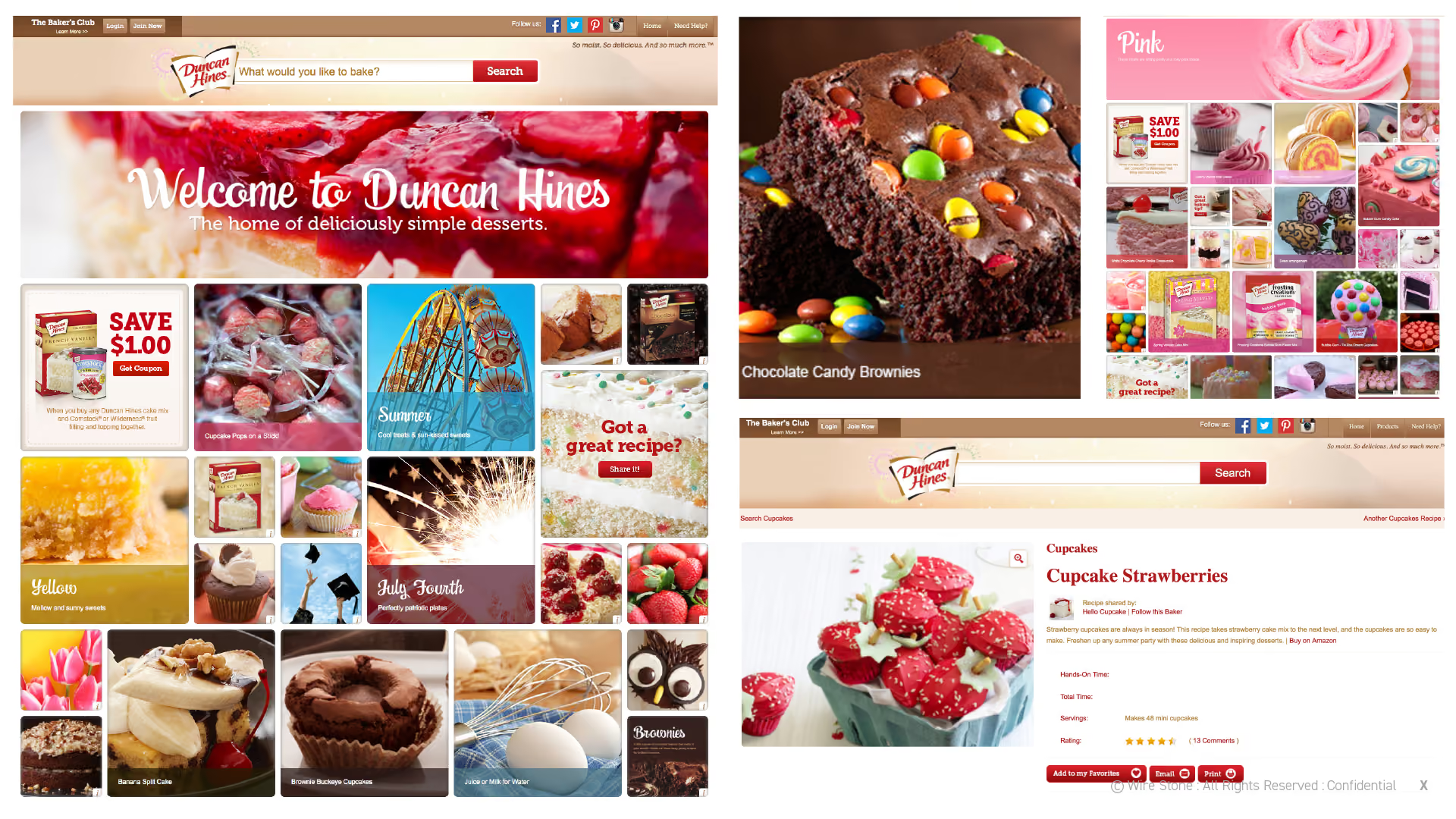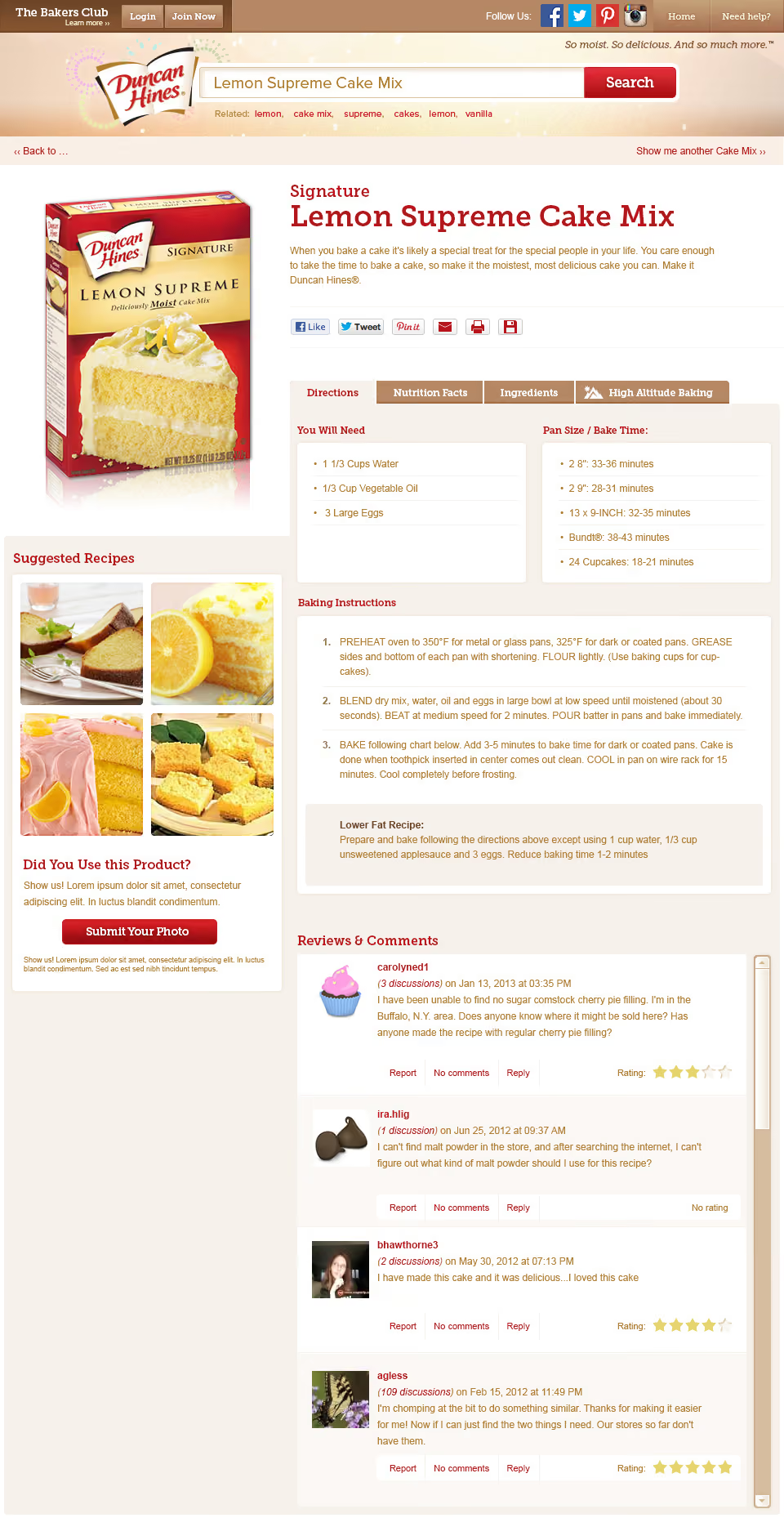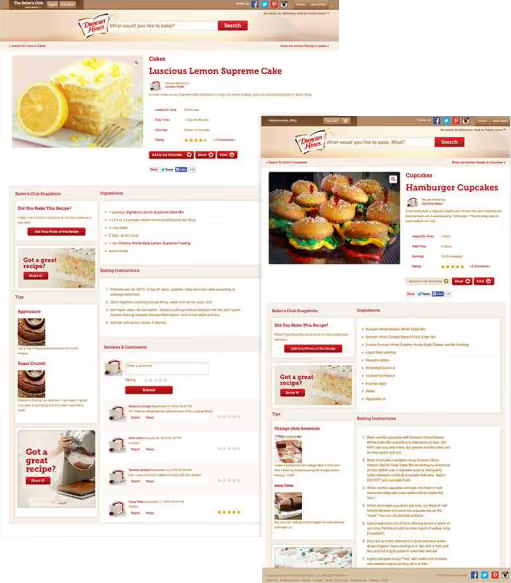
In 2013, every CPG website looked the same. Top nav, product grid, recipe section, store locator. A digital filing cabinet with a logo on top.
Duncan Hines wanted to lead the category online, not blend into it. The brand needed a digital experience that did more than house recipes — it needed to give bakers a reason to come back. And we needed to know what that reason actually was, not guess.
We surveyed over 1,000 bakers before designing a single screen. One thing kept coming back: bakers don't go to a brand site to look something up. They go looking for an idea. A reason to bake. A spark.
That insight reframed the project. If bakers come for inspiration, a traditional menu is the wrong tool for the job. Menus assume you know what you want. Inspiration is the opposite — you know it when you see it.
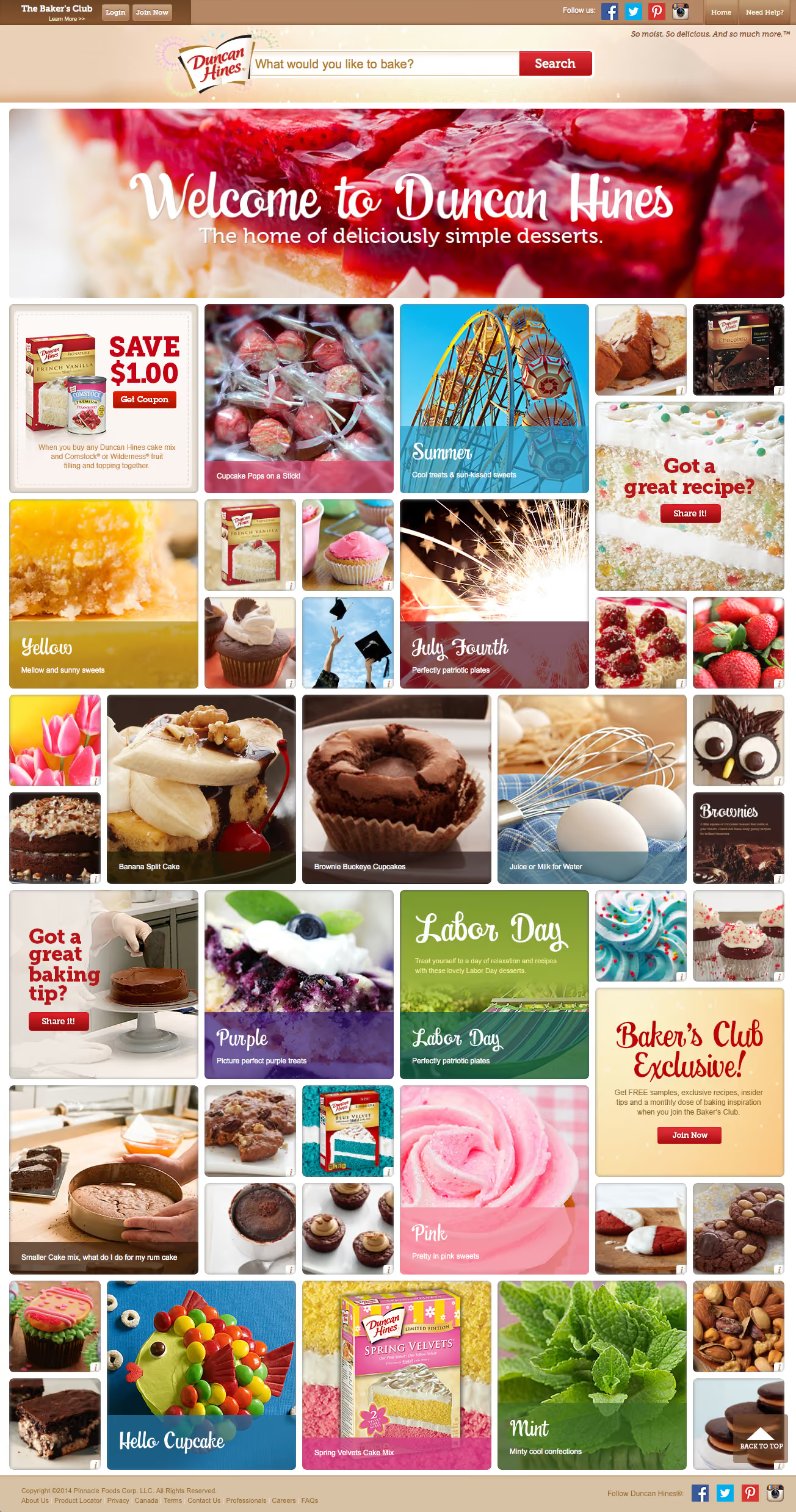
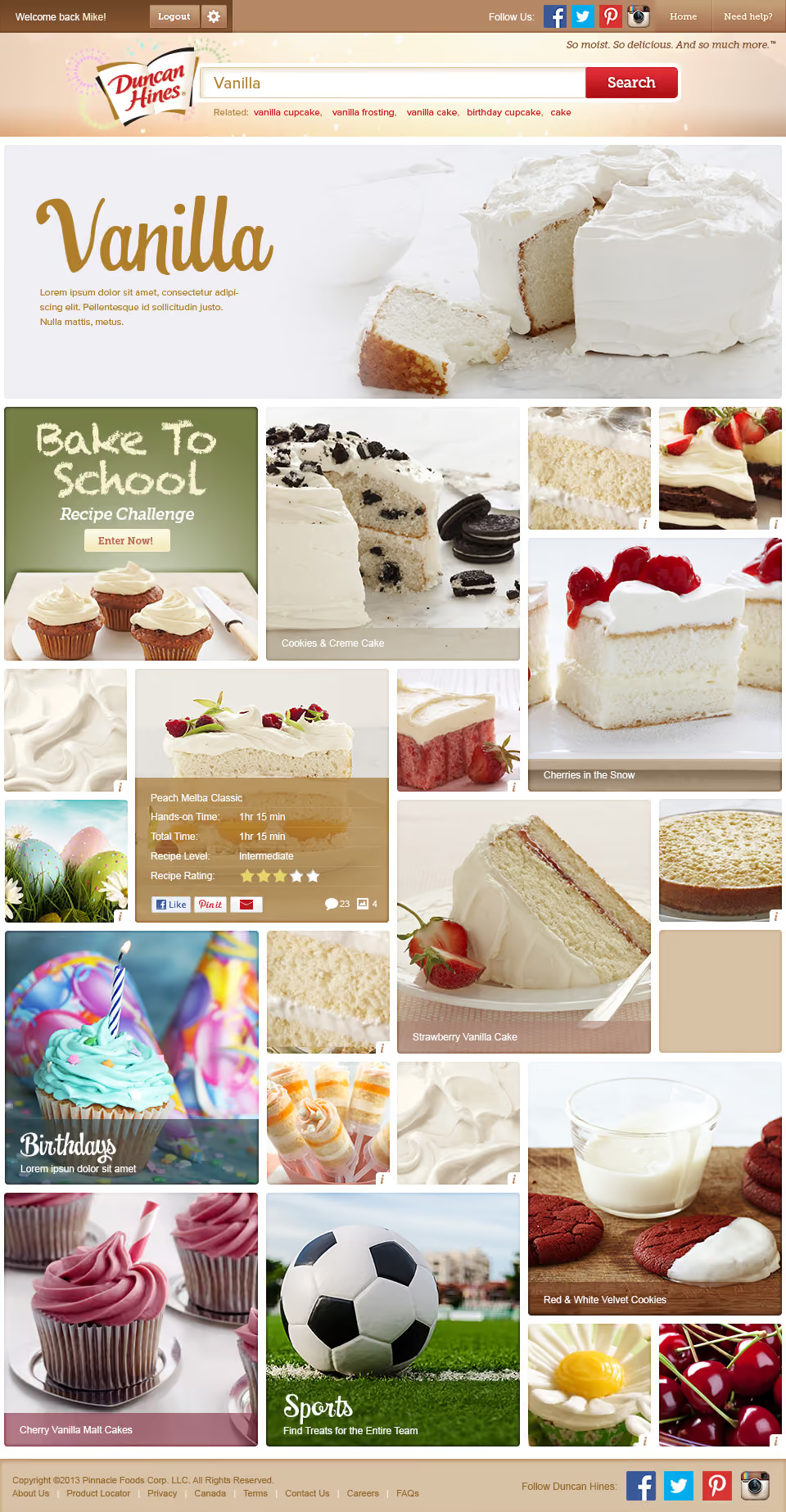
So we built a site with no navigation beyond a search bar.
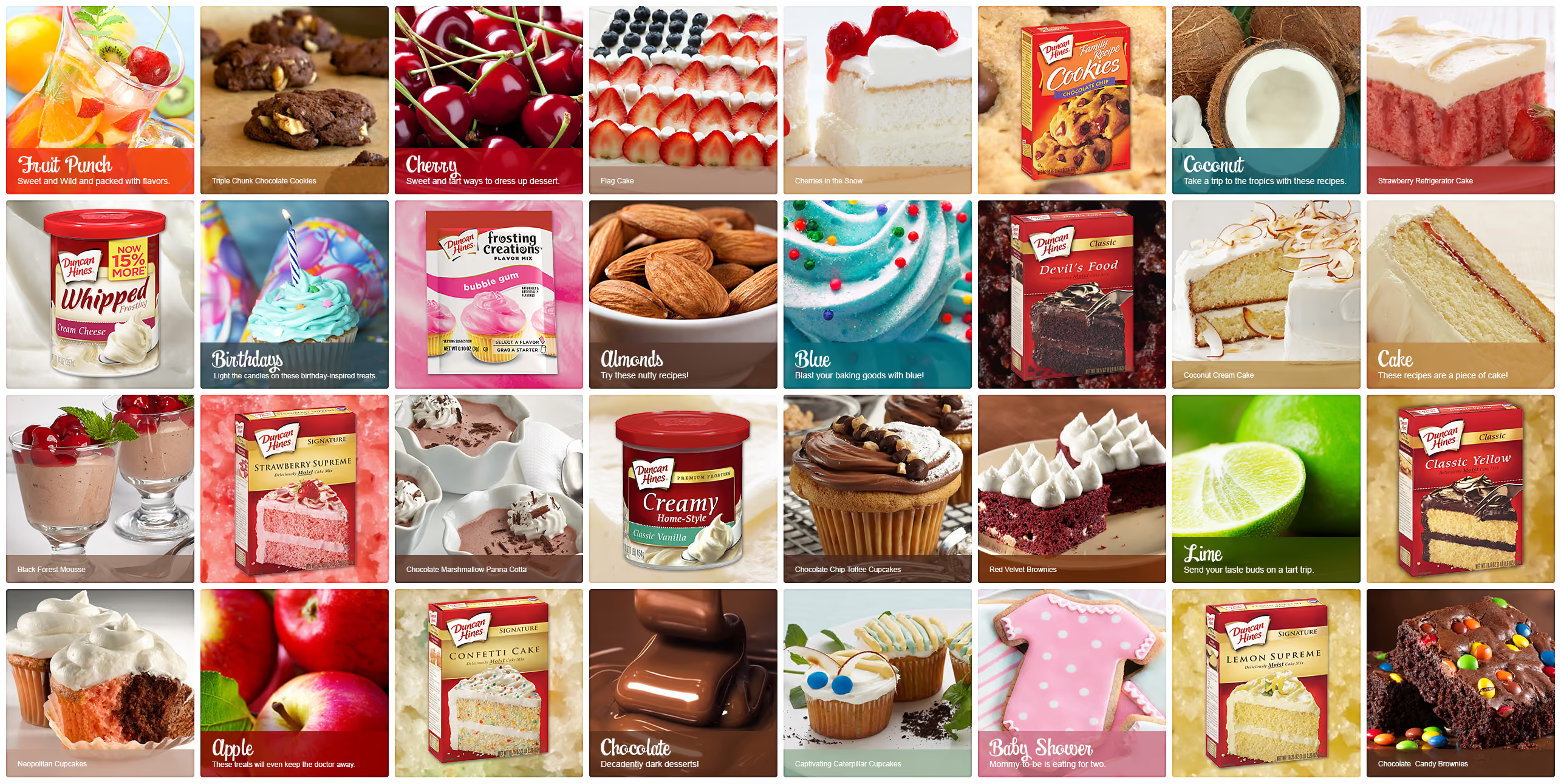
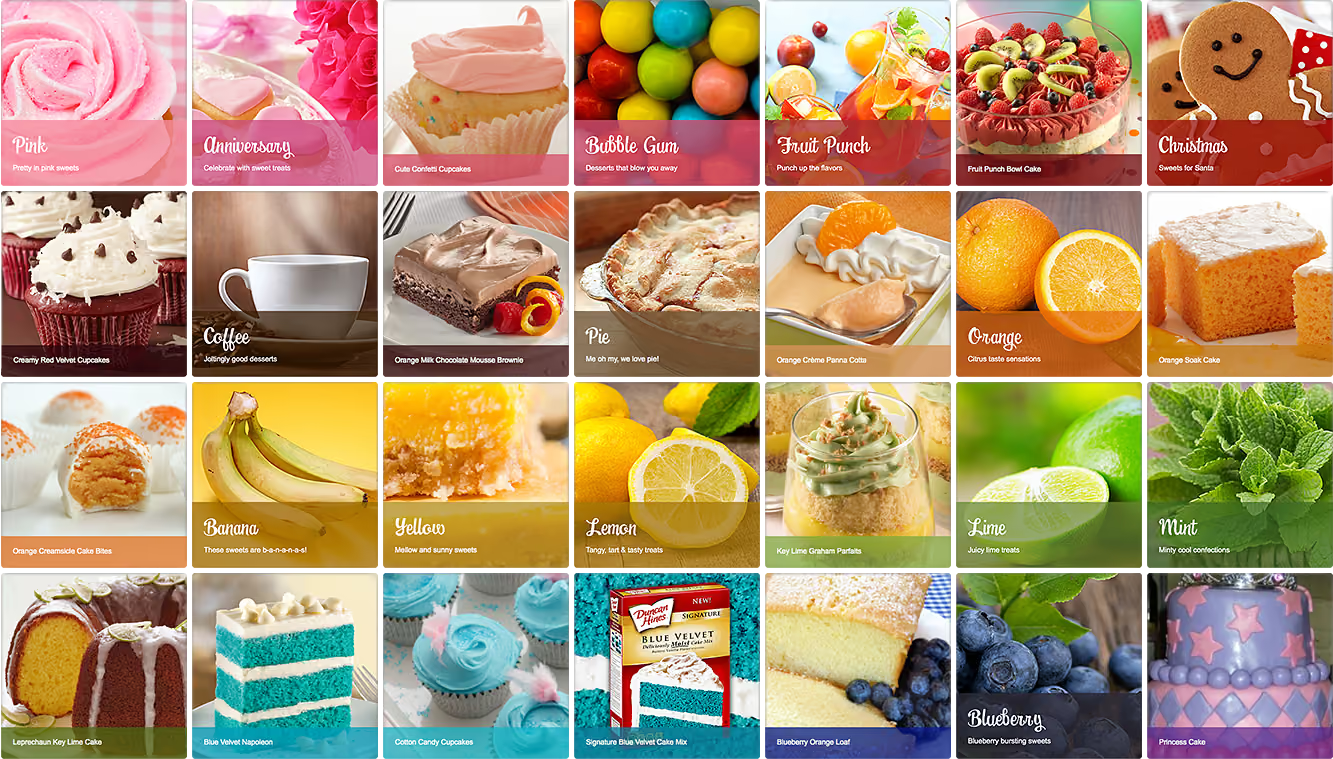
The organizing units were "Inspirations" — about 100 at launch. Not categories like "Cakes" or "Cookies," but moments: Birthdays, Strawberry, Bake Sales, Date Night, First Homerun, Fourth of July. The things bakers actually bake for.
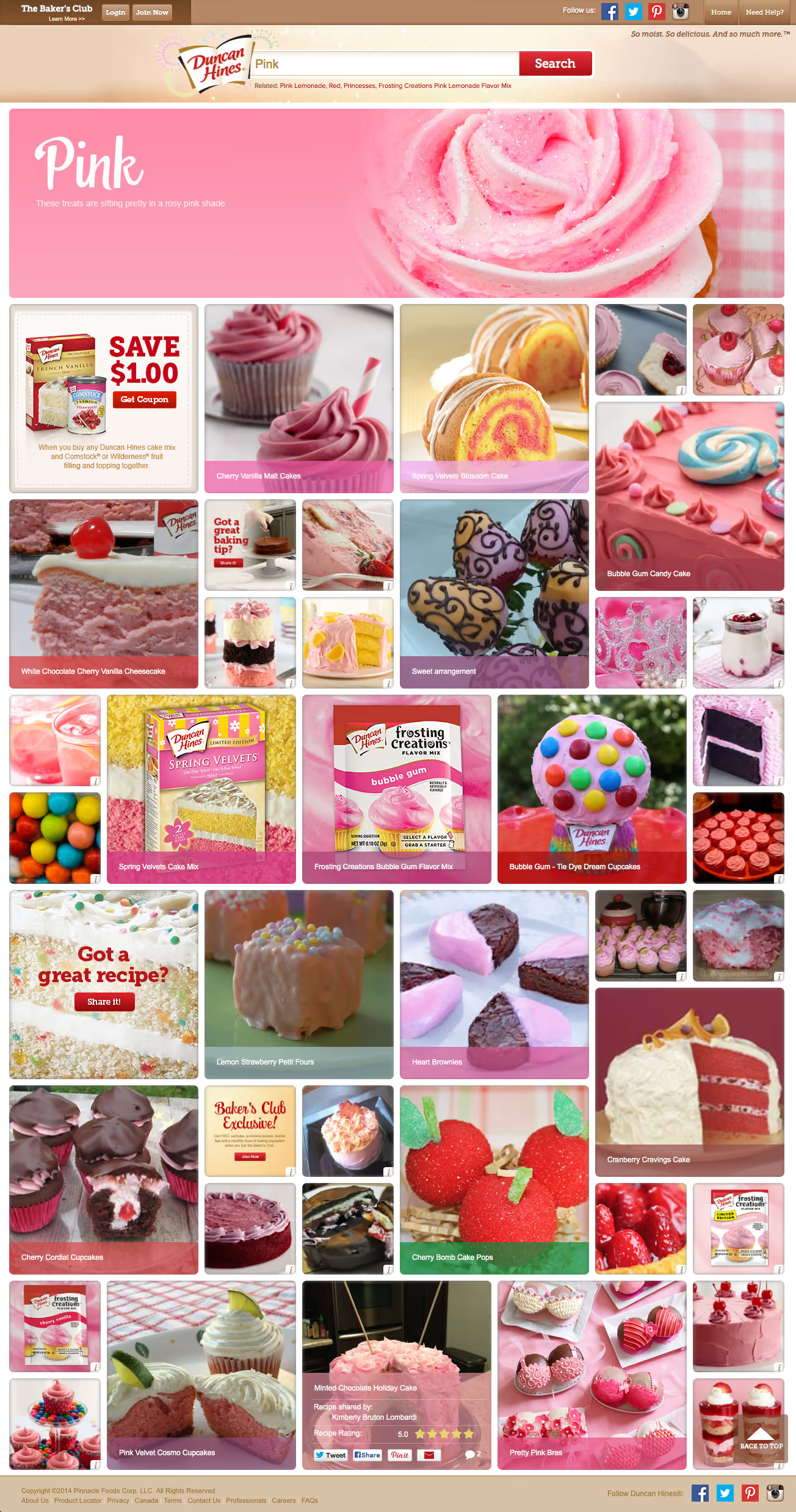
The platform combined Pinterest-style visuals with predictive search. Type "strawberry" and the page filled with strawberry recipes, strawberry products, and strawberry-adjacent moments you weren't thinking about— shortcake to Mother's Day brunch. Content built cumulatively as bakers browsed and refreshed as they searched. Recipes were grouped by shared characteristics, so search kept triggering unexpected connections. Come in looking for a birthday cake, leave with three ideas for a bake sale you hadn't planned yet.
We tested the concepts across five baker segments before launch. It held up.
Baker's Club membership grew 35%, to 357,000. The site became the brand's content engine and reshaped how the team thought about digital — less catalog, more conversation.
The broader community — Baker's Club, Facebook, Twitter, Pinterest, Instagram combined — more than tripled in the first 20 months. Facebook fans grew 761%. Twitter followers jumped 415%, enough to put Duncan Hines among the top 10 CPG brands for Facebook fan loyalty.
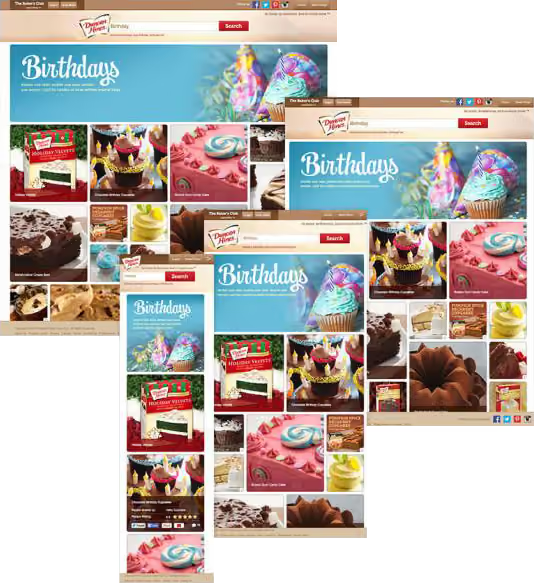
And it kept compounding after launch, not just at it. A year in, summer site traffic was running about 500,000 sessions a month, up from roughly 350,000 the summer before. July 2014 sessions came in 41% higher than the same month in 2013, with over 1,000 different mobile devices touching the site that month alone — proof the mobile bet behind the design was the right one.
It also picked up some hardware:
The breakthrough wasn't the predictive search or the visuals. Both existed. The breakthrough was trusting the research enough to throw out the menu — and building a site that kept earning bakers back, month after month, instead of just launching well.