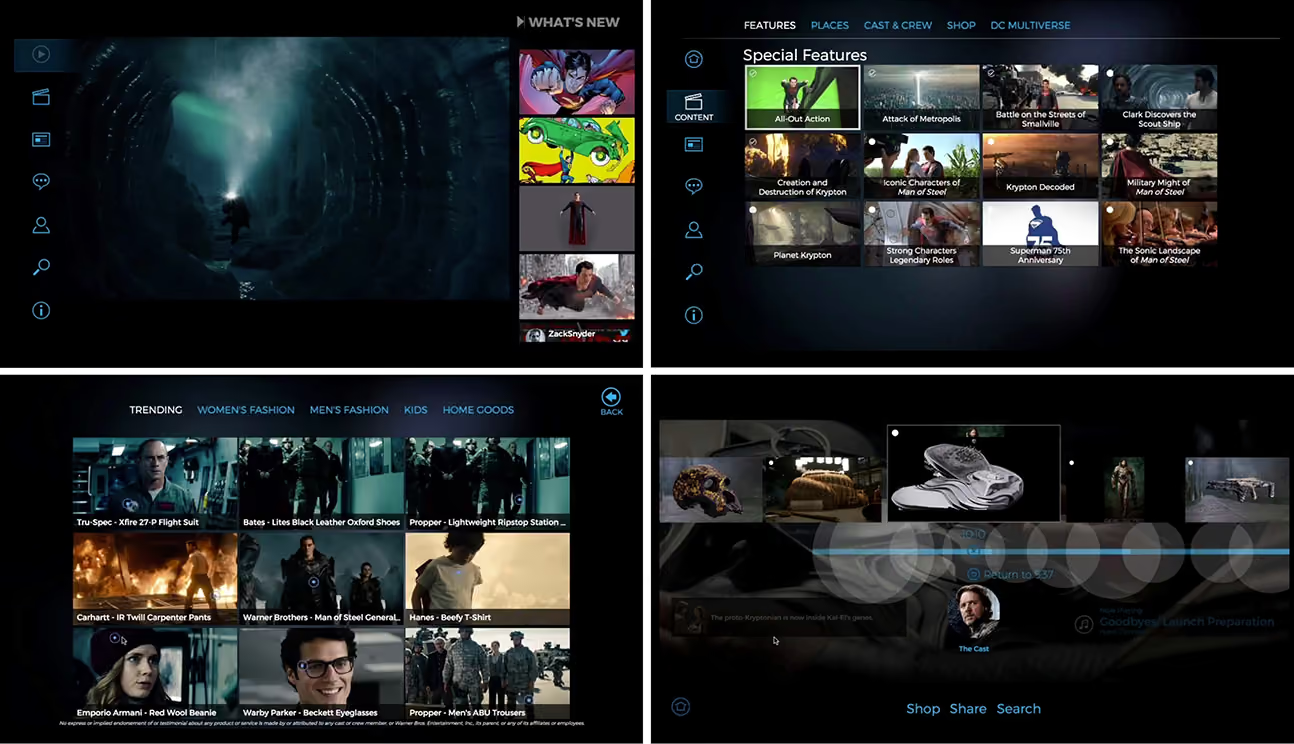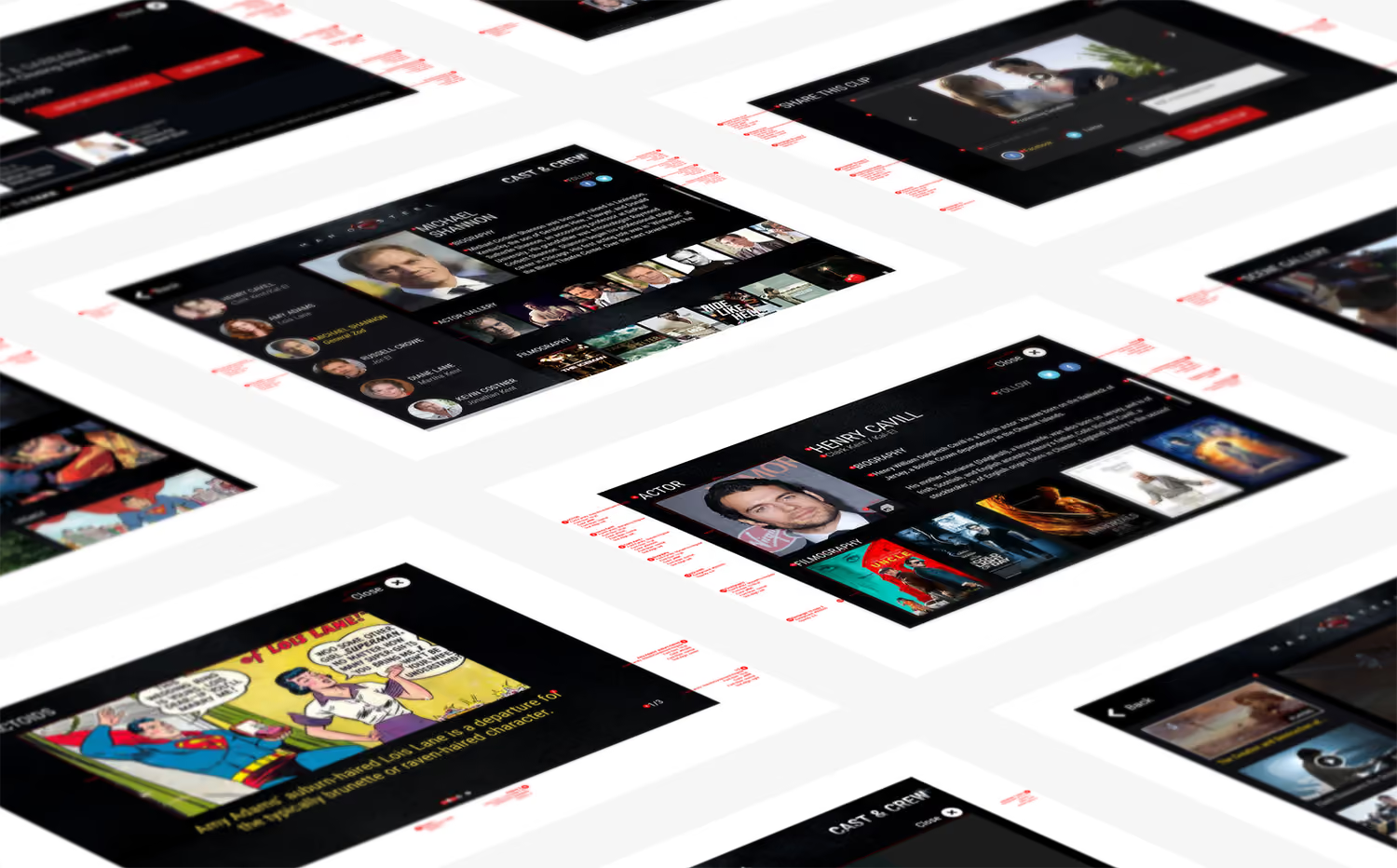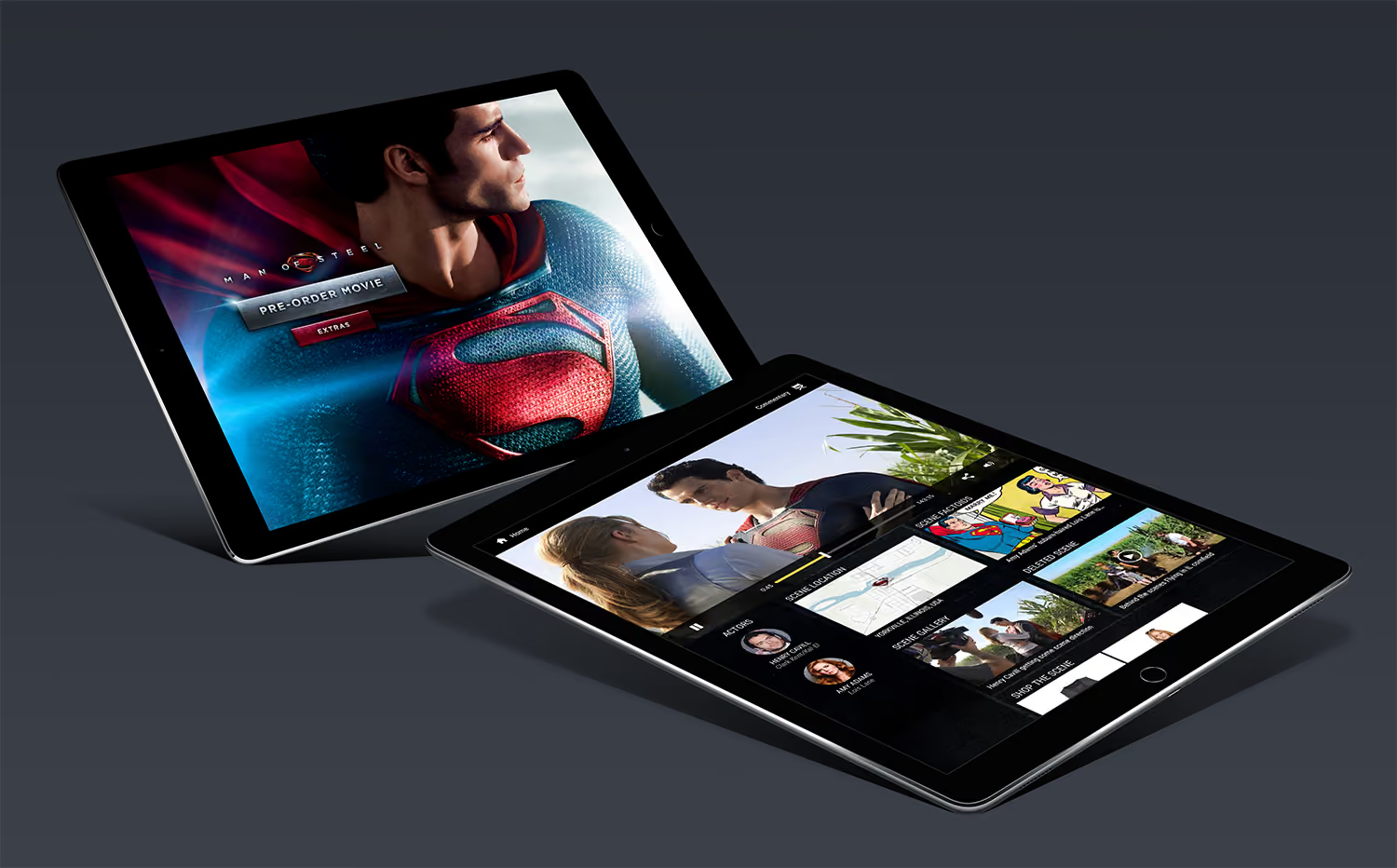
Warner Bros. had already built a set-top viewing experience that let people dig into bonus content — behind-the-scenes footage, actor bios, trivia —without leaving the movie. They had a good idea with a clunky execution. The interface was limiting, and as viewing habits shifted from the living room TV to the tablet in your hands, that whole approach stopped making sense.
So Warner Bros. opened it up. They invited a room full of agencies to pitch a reimagined version, built for tablet from the ground up. We were one of six agencies invited for this — up against Droga5, AKQA, R/GA, Accenture Digital, and Razorfish. Our concept beat out some very skilled competition so convincingly that the client moved to green-light it before the process had even officially wrapped.
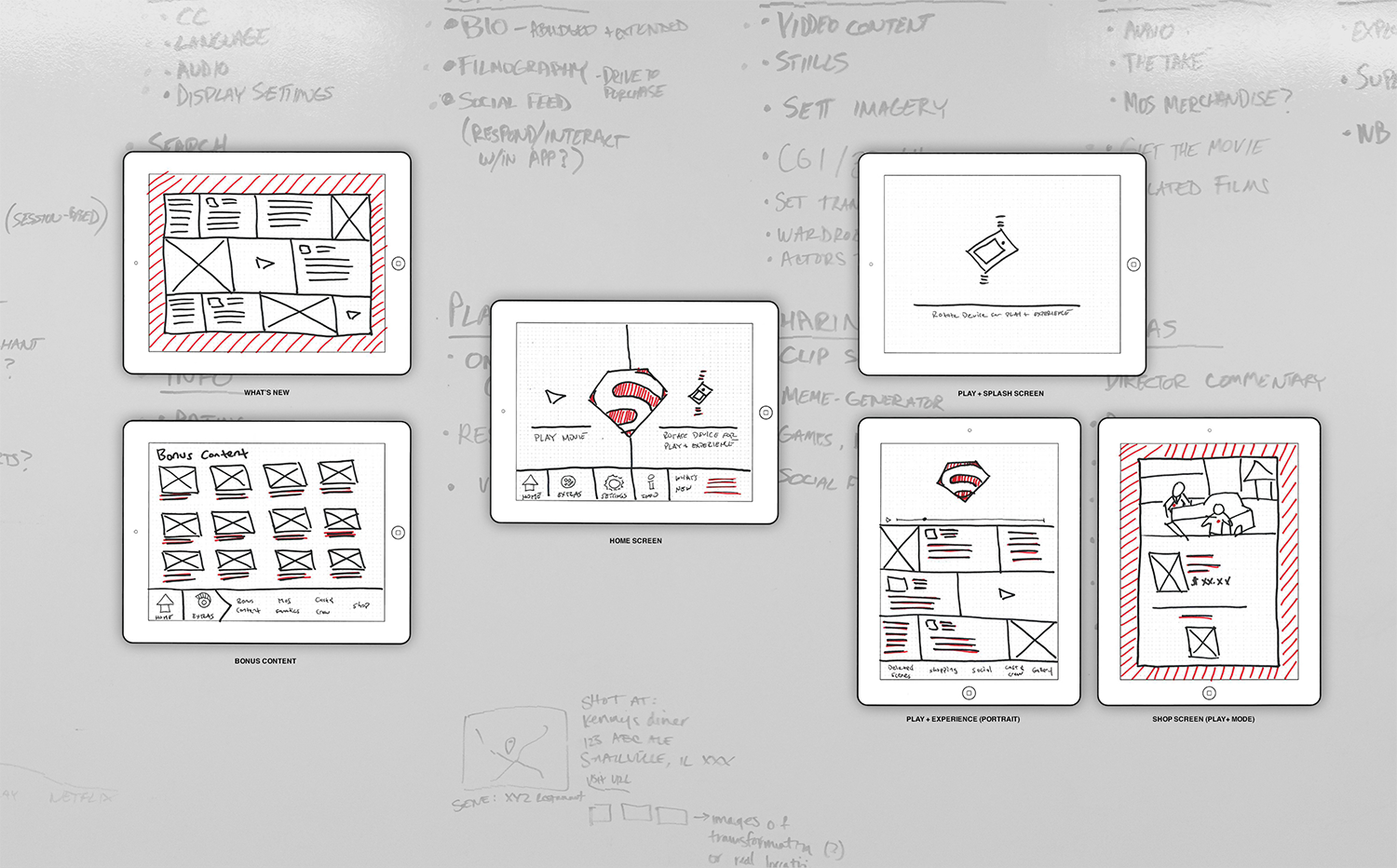
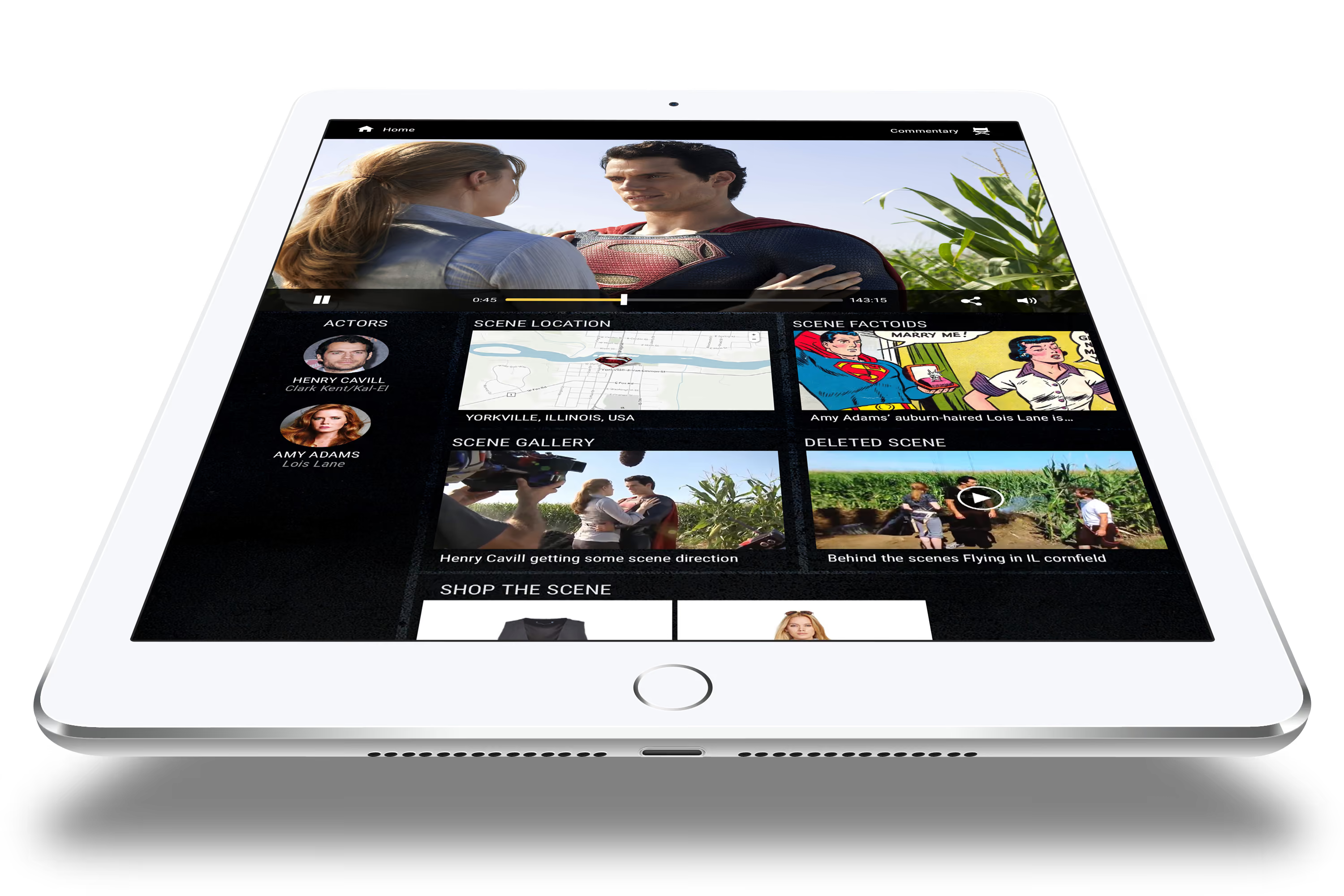
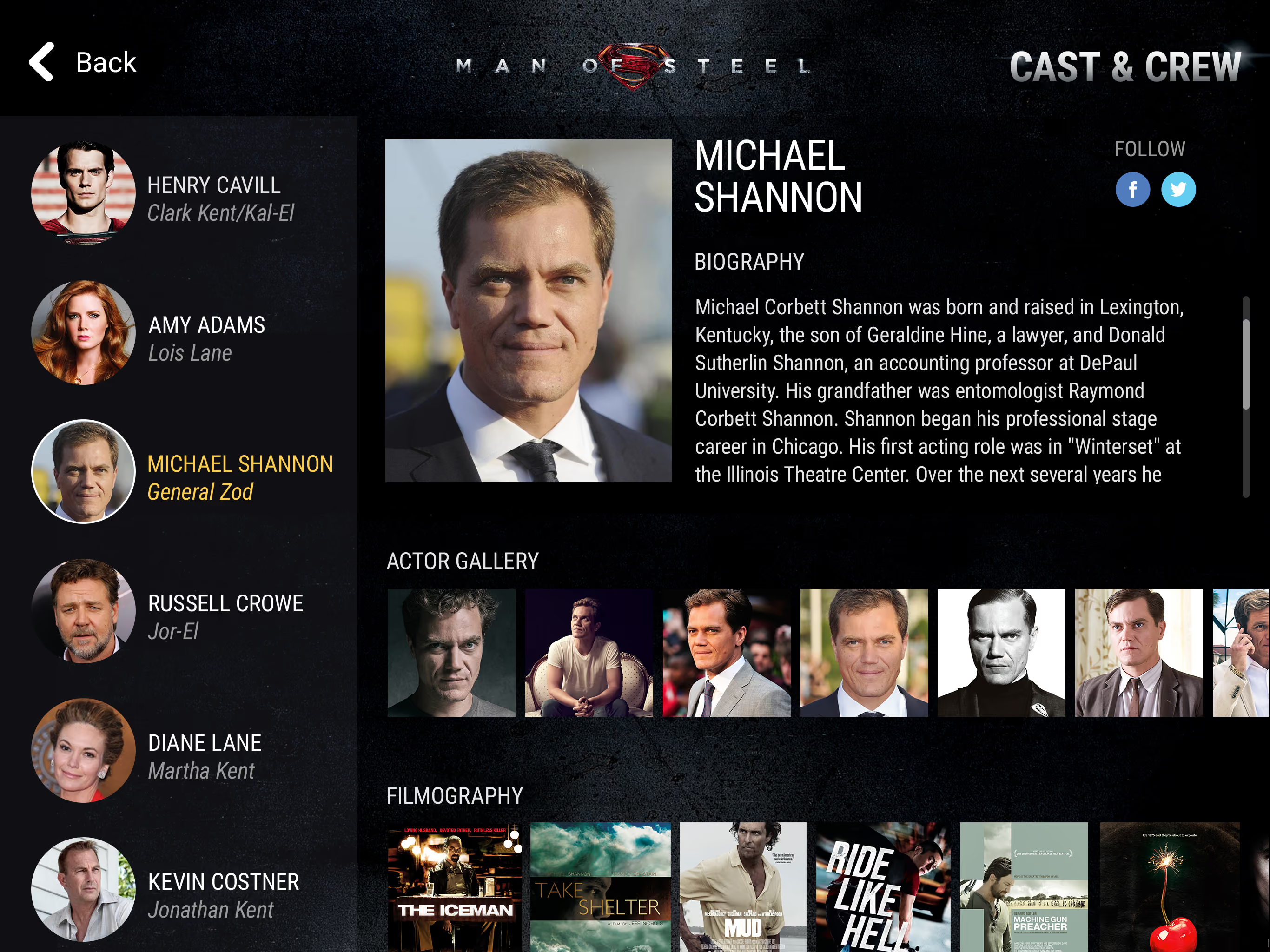
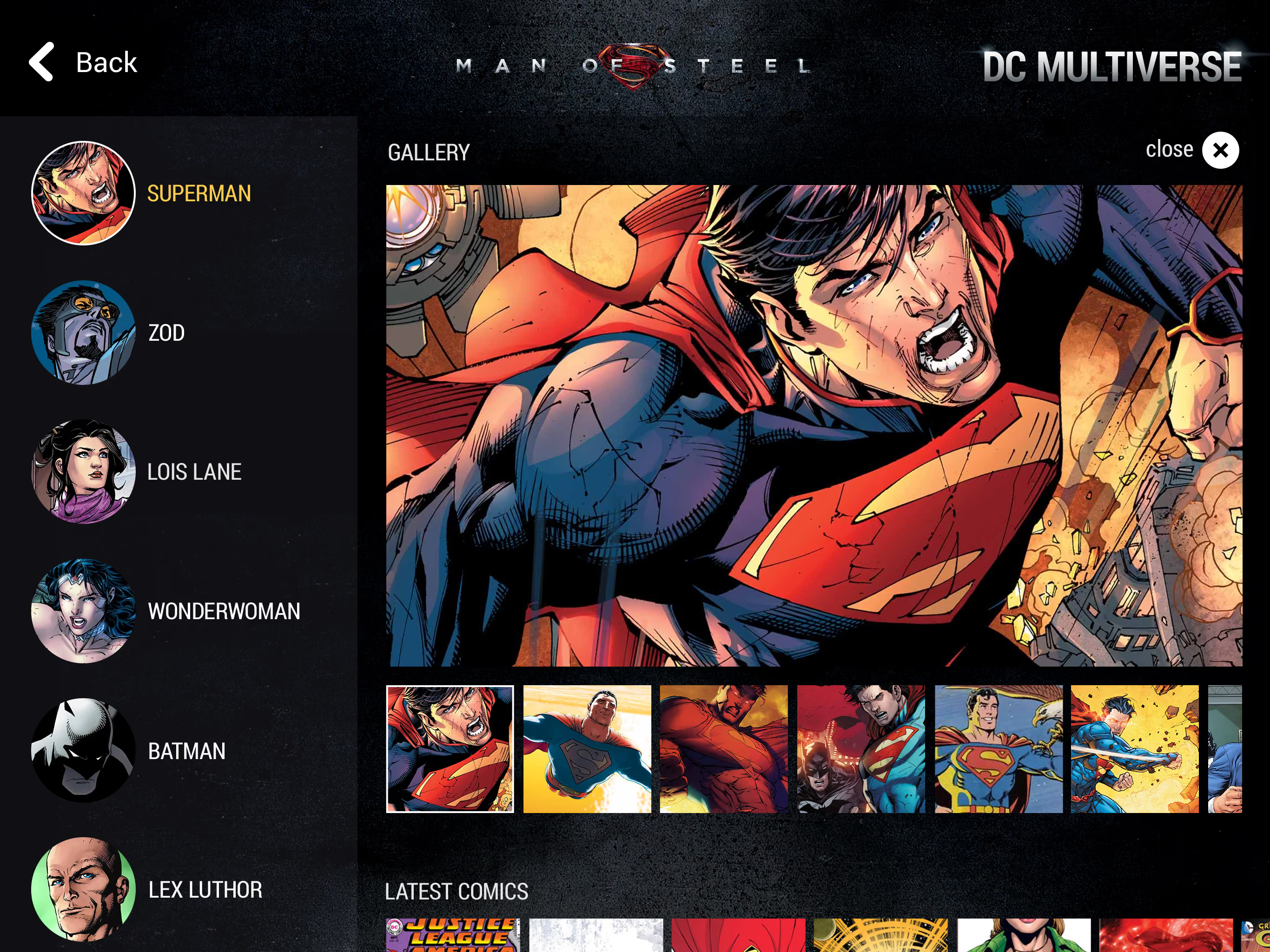
The lightbulb moment came from a piece of hardware everyone already owned but nobody was using: the tablet's gyroscope. It's just sitting there, mostly ignored. We asked, what if turning the device from landscape to portrait was the interaction — no button, no second app, no pausing the movie? Rotate to portrait, and live in-scene extras open up right on the same screen: actor bios, scene locations, trivia, galleries. Rotate back, and you're right back in the story.
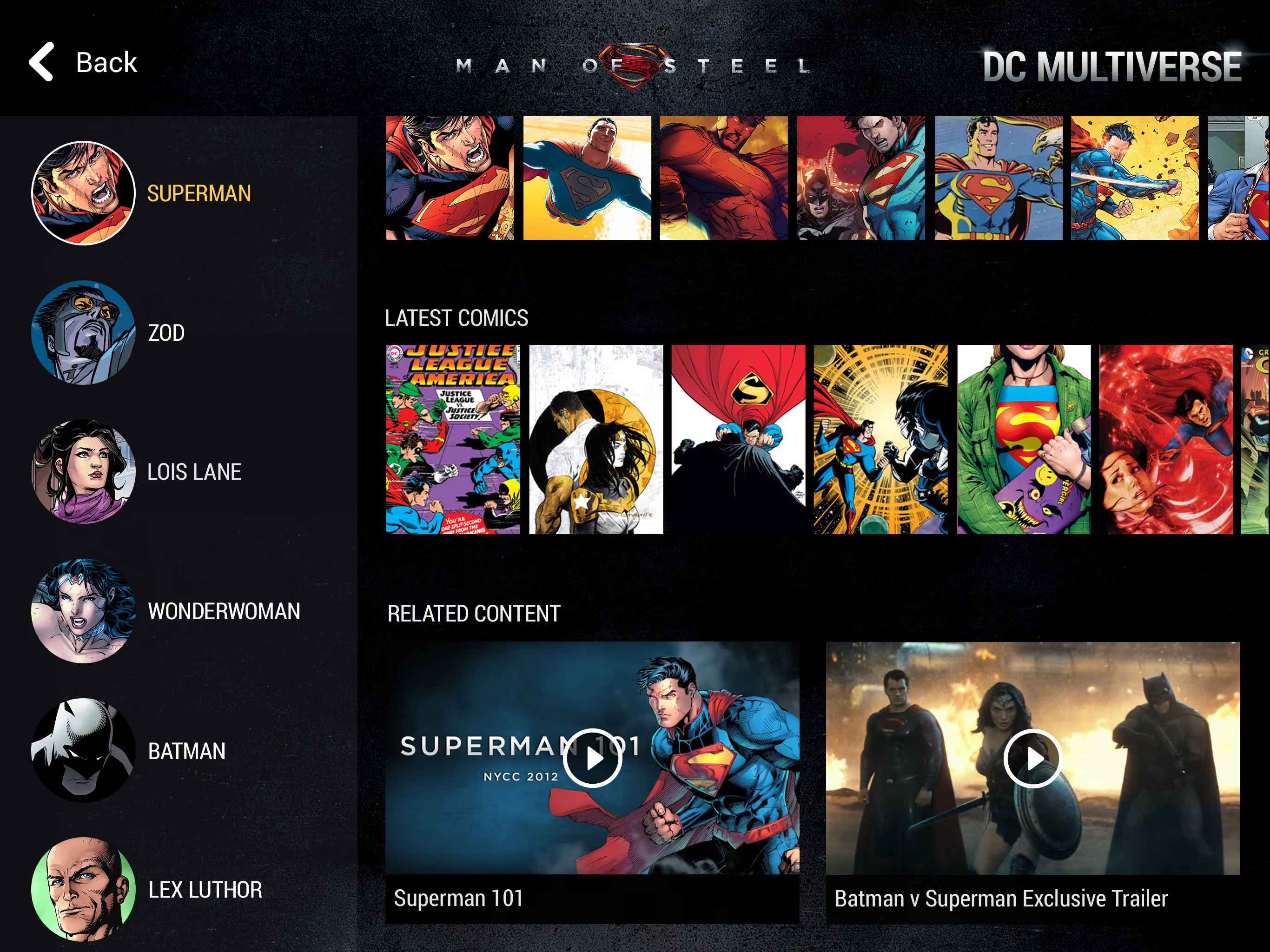
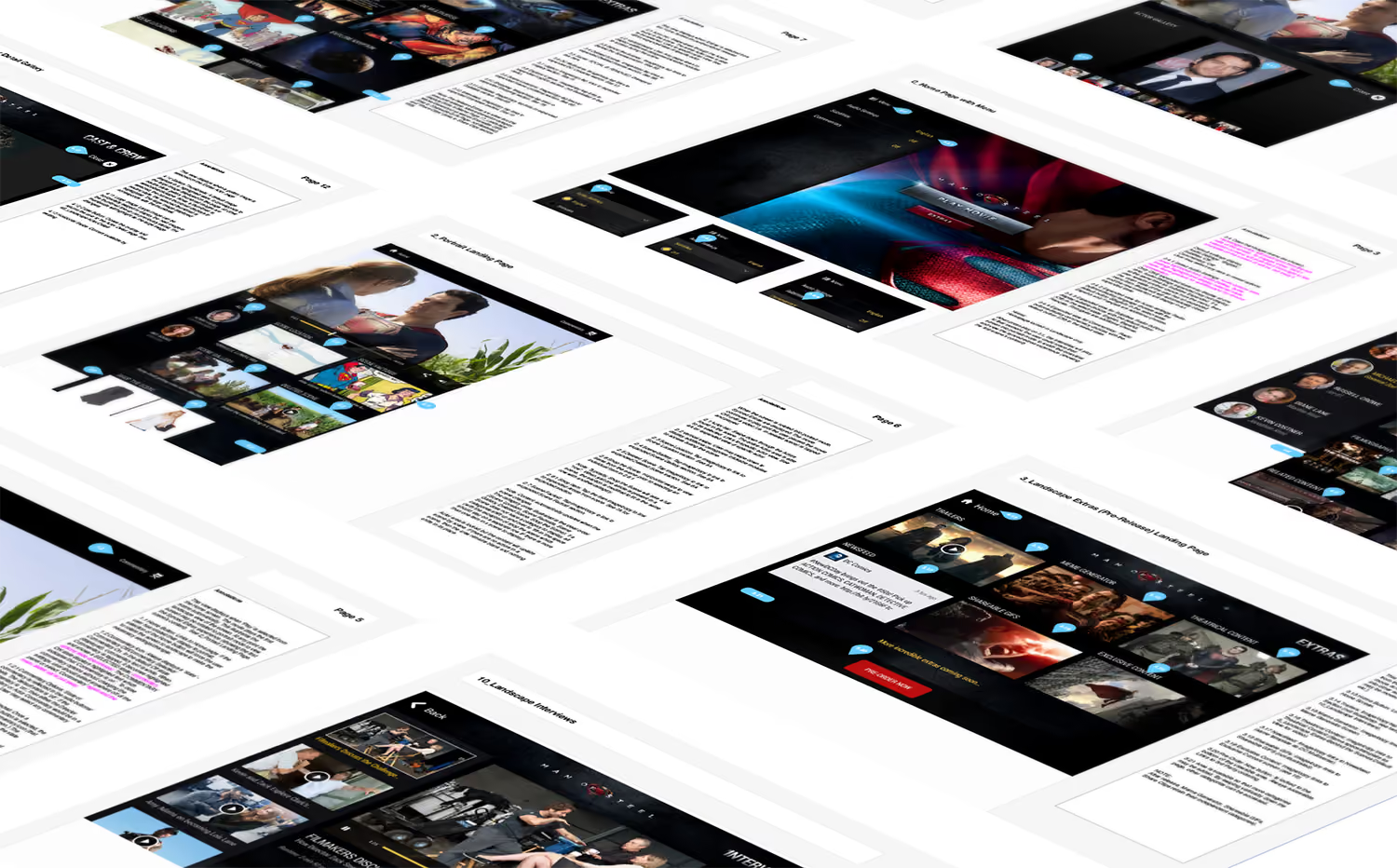
That single gesture became the whole model. We took it to LA for onsite user testing, watched real people hold real tablets and turn them, and refined the interaction from what we saw — the timing, the transitions, how much needed to happen automatically versus how much needed interaction. And because Warner Bros. wasn't launching just one film, we built it as a design system, scalable enough to handle a growing catalog of titles rather than a one-off skin for a single release.
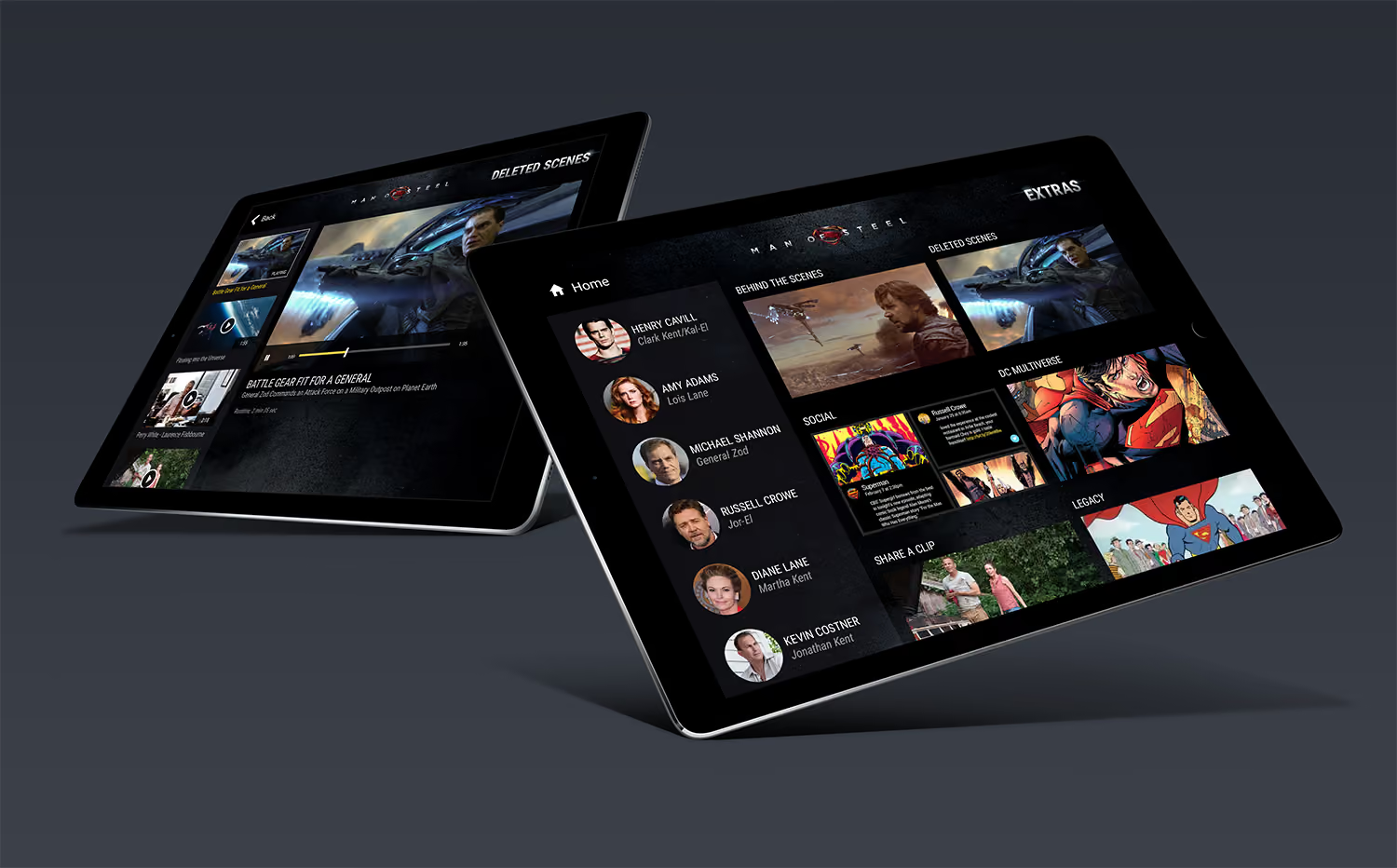
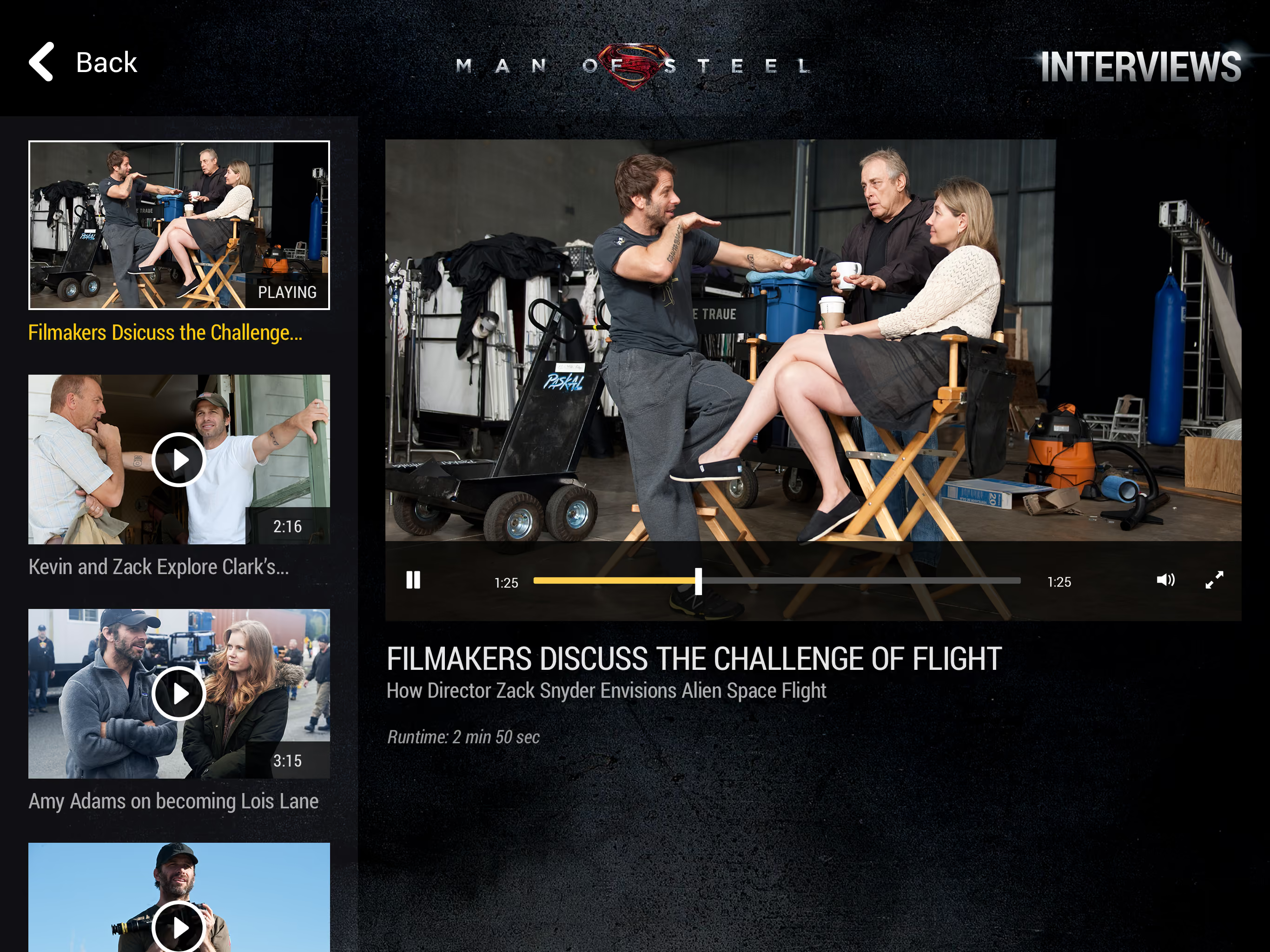
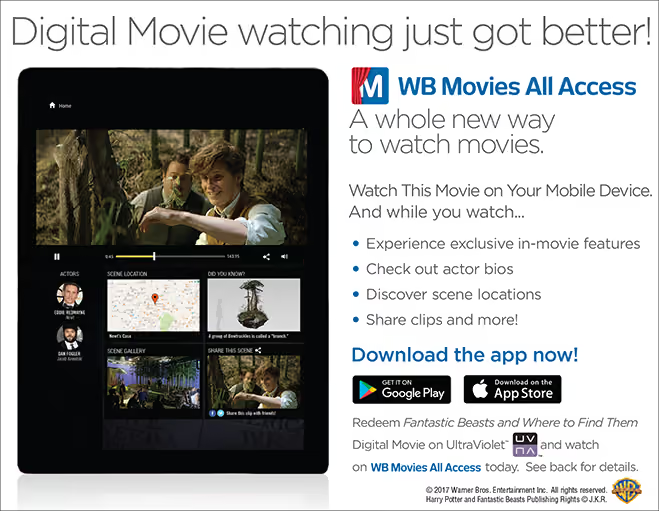
The idea shipped. It became the WB Movies All Access App, launched alongside titles like Fantastic Beasts and Where to Find Them and the Harry Potter catalog — letting anyone with a Digital HD copy rotate their tablet and unlock the exact interaction model we tested in LA: exclusive in-movie features, actor bios, scene locations, shareable clips, all without pausing the film.
The app doesn't exist anymore — streaming caught up fast, and the whole category of "extras tied to your physical or digital copy" got swept aside by everything just living in the stream. But turning your tablet became the whole UX, no manual required, and that's still one of the things I'm proudest of having built.